 Tick Control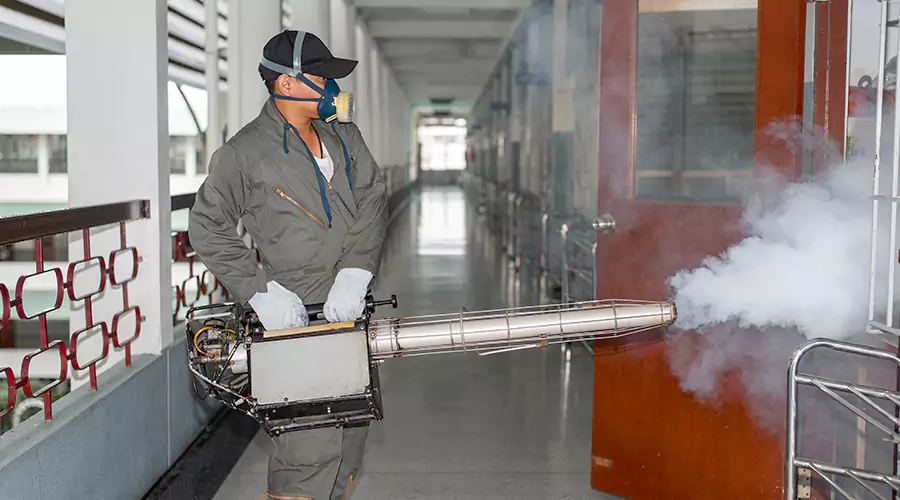
 Google Reviews
 (618)
(618)


Proudly American

 Termite Control
 Bed Bug Treatment
 Rodent Control
 Cockroach Control
 Ant Control
 Mosquito Control
 Bee Control
 Wildlife Control
 Exterminator Control
Mosquitoes can make it hard to enjoy your yard, patio, porch, pool area, or outdoor gatherings. They are more than a simple nuisance. Mosquito bites can cause itching, swelling, irritation, and discomfort. In some areas, mosquitoes may also carry diseases, which makes prevention even more important.
Many homeowners try sprays, candles, lights, plants, and home remedies to keep mosquitoes away. Some methods may help a little, but long term mosquito control usually requires a combination of prevention, water removal, yard maintenance, personal protection, and professional treatment when activity is heavy.
Understanding what really helps with mosquito control around the home can help you reduce breeding areas and make your outdoor spaces more comfortable.
Mosquitoes are attracted to areas with standing water, shade, moisture, and people or animals to feed on. They do not need a large pond or pool to breed. Some mosquitoes can lay eggs in very small amounts of water.
Common mosquito attractants include:
If mosquitoes keep coming back, there is usually a water source or shaded resting area nearby.
The most important mosquito control step is removing standing water. Mosquitoes need water to breed, so eliminating water sources can reduce their population around your home.
Walk around your property after rain and look for anything that holds water. Empty containers, turn items upside down, and fix drainage problems when possible.
Check these areas often:
Even small water sources can become mosquito breeding spots if they are left for several days.
Clogged gutters are one of the most overlooked mosquito problems. Leaves, dirt, and debris can block water from draining properly. When water sits inside gutters, mosquitoes may use it as a breeding area.
Clean gutters regularly and make sure downspouts move water away from the home. If gutters overflow or stay wet after rain, they may need repair or better drainage.
Good gutter maintenance also helps prevent water damage, foundation moisture, and pest problems around the home.
Mosquitoes often rest in shaded, damp, and overgrown areas during the day. Thick grass, dense shrubs, weeds, and piles of leaves can create comfortable resting spots.
Yard maintenance can help reduce mosquito activity by making the property less inviting.
Helpful yard steps include:
A clean and open yard gives mosquitoes fewer places to hide.
Ponds, fountains, birdbaths, and decorative water features can attract mosquitoes if the water is still. Moving water is less attractive than stagnant water, but it still needs maintenance.
If you have a birdbath, change the water regularly. If you have a fountain, keep it running and clean. If you have a pond, ask a professional about safe mosquito control options that fit the type of water feature.
Do not let pool covers, tarps, or outdoor containers collect water after rain.
Mosquito control is not only about the yard. You also want to stop mosquitoes from getting indoors. Window screens, door screens, and patio enclosures can help keep mosquitoes outside.
Check screens for holes, tears, loose edges, or gaps around the frame. Repair damaged screens quickly. Make sure doors close tightly and do not leave openings where mosquitoes can enter.
Small screen repairs can make a big difference during mosquito season.
Citronella candles, mosquito plants, and similar products may help slightly in very small areas, but they usually do not solve a mosquito problem by themselves. Their effect is often limited by wind, placement, and the size of the outdoor space.
These methods may provide short term comfort near a seating area, but they do not remove breeding sites or reduce mosquito populations around the property.
Use them as a support method, not your main mosquito control plan.
Even with good yard maintenance, mosquitoes may still be present outdoors. Personal protection can help reduce bites when you spend time outside.
Helpful steps include:
Mosquitoes are weak flyers, so fans can help around patios, decks, and covered outdoor spaces.
If mosquitoes remain active despite prevention, professional mosquito control may help. A pest control company can inspect the property, identify breeding areas, treat mosquito resting zones, and recommend prevention steps.
Professional mosquito service may include:
Professional treatment works best when combined with water removal and yard maintenance. If standing water remains, mosquitoes may continue breeding.
Mosquito control is often seasonal and ongoing. New mosquitoes can fly in from nearby properties, drainage areas, ditches, wooded spaces, or standing water around the neighborhood. Rain can also create new breeding areas quickly.
This is why one treatment may not provide long term control for the entire season. Regular prevention and scheduled treatments may be needed during peak mosquito months.
Homeowners often make simple mistakes that allow mosquitoes to return.
Avoid these mistakes:
Removing breeding areas is the foundation of effective mosquito control.
Call a pest control company if mosquitoes are heavy around your yard, patio, pool, or outdoor seating areas. You should also call if you cannot find the breeding source, if mosquitoes return quickly after DIY efforts, or if your property has shaded landscaping, drainage problems, or nearby water sources.
A professional inspection can help identify what is attracting mosquitoes and create a treatment plan that fits your home.
Mosquito control around the home works best when you remove standing water, clean gutters, maintain the yard, repair screens, use personal protection, and consider professional treatment when activity is high. Candles and plants may help a little in small areas, but they do not replace proper prevention.
The most important step is to stop mosquitoes from breeding. Walk your property often, empty anything that holds water, and keep outdoor areas clean and well maintained. If mosquitoes continue to be a problem, professional mosquito control can help reduce activity and make your yard more comfortable.